


Working as a Locum in Regional, Rural and Remote Australia
Omega Medical
July 1, 2026

Many doctors are drawn to Australia’s major cities when planning their careers. Yet some of the most rewarding and impactful experiences in medicine happen outside metropolitan centres.
Working as a locum doctor in regional, rural and remote Australia offers clinicians the chance to expand their clinical scope, support communities with real workforce needs and experience a different pace of healthcare.
Across the country, hospitals and clinics in MMM 3–7 locations depend heavily on visiting locum doctors to maintain essential medical services. These areas often face ongoing workforce shortages, which is why locum doctors play such a vital role.
For clinicians exploring new opportunities, regional placements can provide professional variety, meaningful patient relationships and the chance to experience parts of Australia that many people never see.
Why regional and rural locum work matters
Healthcare workforce data consistently shows that regional and remote communities face greater difficulty attracting permanent medical staff. As a result, hospitals in MMM 3–7 regions frequently rely on locum doctors to maintain continuity of care.
In Australia, regional and remote healthcare areas are often classified as MMM 3–7 locations under the Modified Monash Model, which identifies communities outside major metropolitan centres where workforce shortages are most common.
Doctors stepping into these placements help ensure communities continue to receive critical services such as emergency care, chronic disease management and preventative healthcare.
Research from the Australian Institute of Health and Welfare examining healthcare workforce distribution across Australia also highlights the disparities between metropolitan and regional healthcare access, reinforcing the importance of clinicians willing to work in these areas.
For many doctors, this work provides a strong sense of purpose, knowing their presence directly supports communities that need it most.
A diverse and rewarding clinical experience
One of the biggest attractions of regional locum work is the diversity of clinical practice.
Doctors working in rural hospitals often encounter a broader mix of presentations than they might in a specialised metropolitan department.
For example, a rural GP locum may manage:
- Emergency presentations in small hospitals
- Chronic disease management for long-term patients
- Acute injuries or urgent care situations
- Coordination of care with regional specialists or retrieval services
This diversity helps clinicians strengthen their diagnostic skills and develop confidence managing a wide range of medical scenarios.
It also provides opportunities to build strong relationships with patients and local healthcare teams.
Many doctors are now exploring regional locum opportunities as a way to broaden clinical experience while maintaining flexibility.
A lifestyle experience unlike anywhere else
Regional placements often come with lifestyle benefits that surprise many clinicians.
From coastal towns and mountain communities to remote outback settlements, doctors working as locum medical doctors experience parts of Australia that many people never have the chance to explore.
Beyond the clinical work itself, placements may include:
- Living within welcoming local communities
- Exploring unique landscapes and regional culture
- Experiencing a slower pace of life between shifts
- Developing strong connections with local healthcare teams
For some clinicians, these experiences become a highlight of their career.
Practical considerations for regional locum placements
While regional work can be incredibly rewarding, it also comes with unique professional considerations.
Doctors stepping into regional hospitals often work in smaller team environments, where collaboration and flexibility are essential. With fewer staff available, clinicians may need to take on broader responsibilities than in metropolitan hospitals.
It is also important to understand on-call expectations, which can be more frequent in rural facilities depending on staffing levels and patient demand.
Another key factor is cultural awareness, particularly when working in communities with significant Aboriginal and Torres Strait Islander populations. Providing culturally respectful care is an important part of delivering safe and effective healthcare in these settings.
Doctors who approach these placements with openness, curiosity and respect often find the experience professionally enriching and personally rewarding.
Is regional locum work right for you?
Regional placements are well suited to doctors who enjoy variety, independence and meaningful patient relationships.
Many clinicians begin exploring these opportunities through a trusted medical locum agency, which can help coordinate placements, travel and credentialing requirements.
If you are considering regional placements, you may also find it helpful to read our blog -
Doctor Burnout.
Our article explores how changing work environments can sometimes support career sustainability and clinician wellbeing.
For doctors interested in preparing for locum work more broadly, our guide on
Essentials every locum doctor needs in 2026.
provides practical advice for getting started.
More than a placement
Working as a locum doctor in regional, rural and remote Australia offers more than just a change of scenery. It provides the opportunity to strengthen clinical skills, support communities with real healthcare needs and experience a unique side of Australian medicine.
Whether you are considering your first regional placement or planning your next rural GP locum role, the experience can be both professionally and personally rewarding.
If you’re curious but unsure where to start, a conversation can make all the difference.
Contact our team to discuss current opportunities.
Or submit your CV to explore upcoming regional placements.
Frequently Asked Questions
What is considered regional or rural Australia for locum work?
Regional and rural healthcare locations are often classified using the Modified Monash Model (MMM). Locations categorised as MMM 3–7 are generally considered regional, rural or remote communities where healthcare workforce shortages are more common.
You can learn more about the MMM classifications via the Australian Government here.
Do regional locum placements pay more?
In many cases, yes. Regional and remote locum doctor placements may offer higher daily rates due to workforce demand, location challenges and urgent coverage needs.
Some placements may also include:
- Travel support
- Accommodation
- Vehicle hire
- Relocation assistance
However, rates vary depending on specialty, location and duration of placement.
What support is provided during a regional locum placement?
Working with a trusted medical locum agency can help simplify the process considerably.
Support may include:
- Credentialing assistance
- Travel and accommodation coordination
- Placement briefings
- Ongoing consultant support throughout the contract
At Omega Medical, we work closely with clinicians to ensure placements are well-matched and supported from start to finish.
Is rural locum work suitable for junior doctors?
Some regional placements may be suitable for junior doctors depending on experience level, supervision availability and hospital requirements.
However, many rural and remote roles require clinicians who are comfortable working with greater autonomy and broader clinical exposure.
Discussing suitability with an experienced recruiter can help identify the right opportunities for your stage of career.
What are the benefits of working as a rural GP locum?
Many clinicians choose rural GP locum placements because they offer:
- Diverse clinical experience
- Greater autonomy
- Strong community connection
- Flexible work arrangements
- Opportunities to travel and explore Australia
For many doctors, regional placements provide both professional growth and a renewed sense of purpose in medicine.

Starting your career after an internship can feel unclear. You’ve got general registration and some experience under your belt, but the big question is what comes next. For most doctors in Australia, that next step is working as a Resident Medical Officer (RMO). RMO roles are where you build real clinical confidence, explore different specialties and, importantly, start to increase your earning potential, especially if you consider locum opportunities. This guide breaks down what RMO roles in Australia involve, what you can expect to earn and how to secure the right opportunity. What is an RMO? A Resident Medical Officer is a junior doctor who has completed internship (PGY1) and continues hospital-based training, typically at PGY2 and beyond. You’ll rotate through key departments such as: General medicine Surgery Emergency Paediatrics O&G Psychiatry These rotations are designed to broaden your clinical exposure while helping you decide on a long-term specialty. What you’ll actually be doing as an RMO RMO roles are hands-on and form the backbone of day-to-day hospital care. Typical responsibilities include: Managing admitted patients and reviewing results Developing and implementing management plans Communicating with patients, families and multidisciplinary teams Supporting registrars and consultants Responding to ward calls and clinical deterioration It’s a fast-paced role that builds both clinical ability and confidence quickly. RMO career pathway: from intern to registrar The early years of a medical career follow a clear hospital-based structure, with each stage building on the last. Intern (PGY1) The internship is the first year of clinical practice after graduation. Doctors complete supervised rotations in core areas such as medicine, surgery and emergency. Finishing this year leads to general registration with AHPRA, which allows you to progress into Resident Medical Officer roles and other junior doctor jobs in Australia. Resident Medical Officer (PGY2–PGY3+) After internship, doctors move into Resident Medical Officer jobs. This stage offers greater flexibility, with rotations across departments and the opportunity to explore areas of interest. Many RMOs use this time to strengthen their clinical skills, gain broader exposure and prepare for specialty training applications. It’s also where confidence grows in managing patients and working more independently within a team. Registrar Once accepted into a specialty training program, you become a registrar. This stage involves more focused training within a chosen field and leads towards fellowship under a relevant medical college such as the RACP, RACGP or RACS. Salary expectations for RMO jobs in Australia While salary is important, many RMOs also weigh up factors such as preferred rotations, access to specialty training opportunities, location and roster flexibility. Locum work can provide significantly higher earnings, while permanent positions often offer greater continuity and structured training. Permanent RMO salaries For full-time Resident Medical Officers, salaries typically range between $80,000 and $120,000 per year. This can vary slightly by state health system and may increase with postgraduate year level. In addition to base salary, most permanent roles include extra earnings through overtime, weekend shifts and on-call work. These additional payments can make a noticeable difference to overall income, particularly in busier departments or hospitals with extended rosters. Locum RMO rates Locum RMO jobs in Australia generally have higher hourly rates, often ranging from $80 to $150 per hour depending on demand, urgency and location. Hospitals in regional and remote areas tend to offer the highest rates due to ongoing workforce shortages. These roles may also include travel and accommodation, which can significantly reduce out-of-pocket expenses. For many RMOs, locum work provides an opportunity to increase earnings while gaining experience in different clinical environments. Benefits of working as an RMO RMO roles play an important part in building clinical confidence, strengthening decision-making and shaping your long-term career direction. Build broad clinical experience Working across multiple departments strengthens your ability to manage a wide range of patient presentations. You can gain exposure to different conditions, treatment approaches and hospital workflows, which builds confidence in clinical decision-making. This experience becomes especially valuable when applying for competitive specialty training programs. Explore career direction Many junior doctors are still refining their interests after their internship. RMO roles give you the chance to spend time in different specialties, observe how teams operate and understand what day-to-day work looks like in each field. This stage is a key transition within junior doctor jobs in Australia and helps you choose a training pathway that aligns with your strengths and interests. Access flexible work through locum roles Locum RMO jobs provide more control over your schedule. You can take on short-term contracts between rotations, during breaks or while waiting for training program outcomes. This flexibility allows you to manage your workload while still gaining consistent clinical experience and maintaining your income. Work across different healthcare settings RMO roles in Australia are available in metro hospitals, regional centres and remote facilities. Each setting offers a different pace, level of responsibility and type of patient care. Regional and rural placements often provide broader hands-on experience, while metro hospitals offer exposure to specialised services and larger multidisciplinary teams. How to secure RMO jobs in Australia Competition can vary depending on location, timing and specialty interest. A clear approach improves your chances. 1. Maintain current registration General registration with AHPRA is essential for all Resident Medical Officers. Update your registration before applying. 2. Prepare a strong CV Your CV should highlight: Internship rotations Clinical experience Procedural skills Referees (consultants or senior registrars) Keep it concise and focused on hospital-based experience. 3. Be open to different locations Metro roles can be competitive. Expanding your search to regional or rural hospitals increases access to RMO job opportunities and often provides stronger clinical exposure. 4. Consider locum RMO jobs Locum work can help you: Gain experience quickly Fill employment gaps Build confidence in different environments Short-term placements also strengthen your CV for future permanent roles. 5. Apply early and stay responsive Hospitals recruit at different times throughout the year. Staying proactive and responding quickly to opportunities can make a significant difference. Find RMO jobs across Australia with Omega Medical Looking for the right RMO role can take time, especially when balancing hospital commitments and training plans. Omega Medical works with junior doctors to connect them with Resident Medical Officer jobs across metro, regional and remote hospitals, including both locum and permanent opportunities. Our consultants focus on matching your experience, preferred rotations and availability with doctor jobs that offer the right level of support and clinical exposure. We also assist with credentialing, onboarding and job coordination, so you can focus on your work. Submit your CV or contact the team to discuss current RMO job opportunities available now.

The first thing Therese discovered wasn’t the flexibility
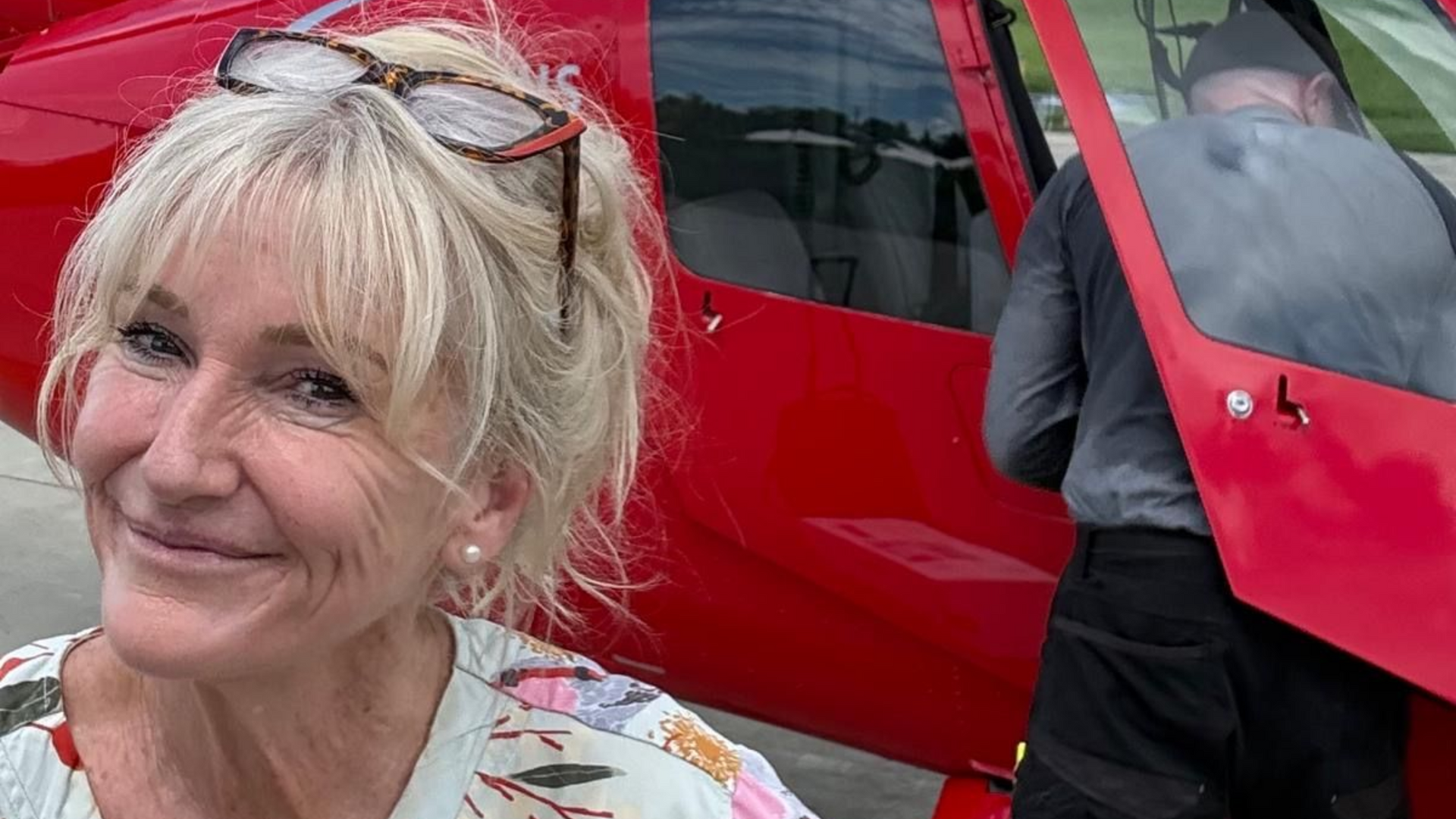
Discover what an agency nursing career has taught Sally Lewis about resilience, flexibility and connection while working across Australia.
LATEST JOBS
Spanning across a range of professions, from nursing and aged care to doctor specialisations like anaesthesiology and emergency medicine, our medical and healthcare recruitment specialists are here to help you find the ideal role to advance your career.