


Working as an Occupational Therapist in Australia: Shubham’s Journey from Overseas to Regional Practice
Omega Medical
November 23, 2026

“I can genuinely say I’m in this job, in Australia, because of the guidance Chintan gave me.”
For Senior Occupational Therapist Shubham Thokal, moving to Australia was more than a change of location. It was an opportunity to bring his experience in neuroscience and neurological rehabilitation into a healthcare system where allied health professionals are trusted to help shape what happens next for their clients.
Now working across a regional and predominantly rural area of coastal New South Wales, Shubham supports adults and children in the places where they live their everyday lives.
His story offers an honest look at working as an occupational therapist in Australia, the scope available through regional practice and the difference the right recruitment support can make when moving from overseas.
Why Shubham chose to work as an Occupational Therapist in Australia
Before relocating, Shubham completed a Bachelor’s degree and a Master’s in neurosciences. He developed extensive experience in spinal cord injury and neurological rehabilitation, while his research and participation in international conferences exposed him to different approaches to Occupational Therapy around the world.
What he learnt about Australian practice caught his attention.
“Allied health is properly valued here, OTs are trusted with real autonomy, and the NDIS is built around a person’s own goals rather than just the hospital,” Shubham explains.
“I wanted to work somewhere my assessments actually shaped what happened next for a client. The better balance it offered was part of it too. So I got registered and made the move.”
For Shubham, working as an occupational therapist in Australia offered the opportunity to practise in a more client-centred and outcome-focused way. Families could become active partners in rehabilitation, while assessments and recommendations could be built around what mattered to each person.
As an international occupational therapist in Australia, Shubham also needed to navigate registration, documentation and a healthcare system that was new to him.
Internationally qualified practitioners can find current information through AHPRA’s guidance for international practitioners and the Occupational Therapy Board of Australia.
For Shubham, having Omega Medical beside him made this process clearer and more manageable.
From overseas applicant to regional Occupational Therapist
Shubham’s relationship with Omega began when Recruitment Consultant Chintan Tanna contacted him through LinkedIn.
That initial conversation developed into practical support across each stage of his move.
“From there, he guided me through every part of the process, the registration, the paperwork, understanding how things work here. He was across all of it,” Shubham says.
“I can genuinely say I’m in this job, in Australia, because of the guidance he gave me.”
Chintan helped Shubham understand what was required and made a complex international recruitment process feel more manageable. The support went beyond introducing him to an available role. It helped him move forward with clarity and confidence.
Shubham also credits Liona Aberdein, who leads Omega Medical’s Aged Care and Allied Health division, with keeping the recruitment process on track.
“She looked after my interviews and background checks and kept everything moving smoothly, which took a lot of pressure off me during the process,” he says.
“Between her and Chintan, the team gave me real confidence in taking this step.”
The experience reflects Omega’s approach to allied health recruitment: understanding what a candidate is looking for, helping them navigate the process and staying involved as the opportunity takes shape.
Discovering the opportunities in regional practice
Shubham now works in a regional, mostly rural area of coastal New South Wales. His role takes him beyond the traditional clinic setting and into clients’ homes, schools and communities.
His work includes functional capacity assessments, assistive technology, home modifications and capacity-building support. His caseload is equally varied, ranging from adults with complex neurological needs to school-aged children.
“What I value most is that variety and the autonomy that comes with regional practice,” he says.
“You see people in their real environment, their kitchen, their front step, their classroom, which tells you far more than a clinic room ever could.”
For Shubham, that real-world context is one of the most valuable aspects of regional Occupational Therapy. It allows him to understand how a person’s abilities, environment and routines come together, then recommend support that can make a practical difference to everyday life.
The NDIS guide to providing home modifications explains how appropriately qualified professionals can assess whether home modifications may help participants manage daily activities, move safely and work towards their goals.
Shubham’s experience has also challenged a common assumption about working outside metropolitan areas.
“One of the biggest misconceptions is that regional means limited,” Shubham says.
“In reality, the scope, variety and autonomy are often greater than in metro roles.”
In a smaller community, he can follow a person’s progress over time and see the effect of the support they receive.
That continuity, combined with the breadth of his work, has made regional practice an important part of Shubham’s Occupational Therapy career in Australia.
Helping a client regain independence
One client outcome continues to stand out.
When Shubham first began working with the client, the person could not manage his mobility independently and relied heavily on
others for day-to-day movement.
Shubham worked with him to understand the barriers he was experiencing and identify the support that could give him greater independence. The client’s wheelchair was recently approved through the NDIS.
“That one piece of equipment is going to open up so much for him, his independence, his confidence, and how he moves through his own home and community,” Shubham says.
“Moments like that, where someone gets back a piece of their freedom, are exactly why I do this work. They never lose their meaning.”
For Shubham, Occupational Therapy sits at the point where clinical knowledge meets a person’s real life.
It can influence whether someone can dress independently, return to work or move around their home with dignity. That connection between assessment and everyday outcomes is what continues to motivate him after almost eight years in the profession.
Support that continued after his arrival
The support surrounding Shubham did not end once he secured the role.
After he arrived in Australia, his director, Martina, helped him settle into his new surroundings, arranged accommodation and encouraged his continued professional development.
“She’s the kind of employer everyone hopes to work for,” Shubham says.
“She looked after me from the moment I arrived and constantly pushes her team to grow.”
Having support from both his recruiter and employer gave Shubham a stronger foundation as he adjusted to a new position, healthcare system and community.
It also demonstrates why finding the right fit matters. A successful international placement is not simply about matching a CV with a vacancy. It is about understanding the person, the organisation and what both need for the move to work over the longer
term.
Shubham’s perspective for other international OTs
Shubham’s experience shows that working as an occupational therapist in Australia requires more than clinical knowledge.
He believes adaptability, clear communication and cultural awareness are essential. Remaining evidence-informed and curious matters too.
“It’s a field you can never fully master, so there’s always something new to learn,” he says. “That mix is what keeps me passionate.”
His guiding principle is equally clear:
“Never lose sight of the person behind the diagnosis.”
For another international occupational therapist in Australia, or someone considering making the move, Shubham’s journey demonstrates the value of being open to regional opportunities and having knowledgeable people to help navigate the process.
His experience also shows that regional practice does not have to mean limiting your career. It can offer autonomy, variety, meaningful client relationships and the opportunity to see how your work changes someone’s daily life.
Ready to explore your own opportunity?
Shubham’s journey has taken him from neurological rehabilitation overseas to a broad, community-based role in regional New South Wales.
With support from Omega Medical and his employer, he was able to navigate the recruitment process, settle into a new community and continue building his career in Australia.
If you are considering your next move, explore current Occupational Therapy jobs in Australia or submit your CV to connect with Omega Medical’s specialist Allied Health recruitment team.
Frequently asked questions
Can an internationally qualified Occupational Therapist work in Australia?
Internationally qualified occupational therapists must meet Australia’s registration requirements before practising.
The requirements depend on your qualifications and circumstances, so candidates should review current information from AHPRA and the Occupational Therapy Board of Australia.
Omega Medical can help suitable candidates understand the recruitment process and explore available opportunities, but registration decisions remain with the relevant authorities.
Where do occupational therapists work in Australia?
Occupational therapists can work across hospitals, community health services, disability organisations, aged care, schools, rehabilitation services and private practice.
Shubham’s community-based role takes him into clients’ homes, schools and communities, where he can understand how their abilities, environment and daily routines interact.
What is it like working as an Occupational Therapist in regional Australia?
Regional Occupational Therapy roles can offer broad caseloads, professional autonomy and opportunities to support clients in real-world settings.
As Shubham experienced, working in a smaller community can also allow occupational therapists to follow clients’ progress over time and see how their recommendations affect everyday life.
Can Omega Medical support international Occupational Therapists?
Omega Medical welcomes enquiries from internationally qualified allied health professionals and can help suitable candidates explore roles aligned with their experience, goals and preferred location.
Available opportunities, registration requirements and potential sponsorship arrangements will depend on the candidate and individual employer.
Explore current Allied Health opportunities or submit your CV to start a conversation with Omega Medical.


Starting your career after an internship can feel unclear. You’ve got general registration and some experience under your belt, but the big question is what comes next. For most doctors in Australia, that next step is working as a Resident Medical Officer (RMO). RMO roles are where you build real clinical confidence, explore different specialties and, importantly, start to increase your earning potential, especially if you consider locum opportunities. This guide breaks down what RMO roles in Australia involve, what you can expect to earn and how to secure the right opportunity. What is an RMO? A Resident Medical Officer is a junior doctor who has completed internship (PGY1) and continues hospital-based training, typically at PGY2 and beyond. You’ll rotate through key departments such as: General medicine Surgery Emergency Paediatrics O&G Psychiatry These rotations are designed to broaden your clinical exposure while helping you decide on a long-term specialty. What you’ll actually be doing as an RMO RMO roles are hands-on and form the backbone of day-to-day hospital care. Typical responsibilities include: Managing admitted patients and reviewing results Developing and implementing management plans Communicating with patients, families and multidisciplinary teams Supporting registrars and consultants Responding to ward calls and clinical deterioration It’s a fast-paced role that builds both clinical ability and confidence quickly. RMO career pathway: from intern to registrar The early years of a medical career follow a clear hospital-based structure, with each stage building on the last. Intern (PGY1) The internship is the first year of clinical practice after graduation. Doctors complete supervised rotations in core areas such as medicine, surgery and emergency. Finishing this year leads to general registration with AHPRA, which allows you to progress into Resident Medical Officer roles and other junior doctor jobs in Australia. Resident Medical Officer (PGY2–PGY3+) After internship, doctors move into Resident Medical Officer jobs. This stage offers greater flexibility, with rotations across departments and the opportunity to explore areas of interest. Many RMOs use this time to strengthen their clinical skills, gain broader exposure and prepare for specialty training applications. It’s also where confidence grows in managing patients and working more independently within a team. Registrar Once accepted into a specialty training program, you become a registrar. This stage involves more focused training within a chosen field and leads towards fellowship under a relevant medical college such as the RACP, RACGP or RACS. Salary expectations for RMO jobs in Australia While salary is important, many RMOs also weigh up factors such as preferred rotations, access to specialty training opportunities, location and roster flexibility. Locum work can provide significantly higher earnings, while permanent positions often offer greater continuity and structured training. Permanent RMO salaries For full-time Resident Medical Officers, salaries typically range between $80,000 and $120,000 per year. This can vary slightly by state health system and may increase with postgraduate year level. In addition to base salary, most permanent roles include extra earnings through overtime, weekend shifts and on-call work. These additional payments can make a noticeable difference to overall income, particularly in busier departments or hospitals with extended rosters. Locum RMO rates Locum RMO jobs in Australia generally have higher hourly rates, often ranging from $80 to $150 per hour depending on demand, urgency and location. Hospitals in regional and remote areas tend to offer the highest rates due to ongoing workforce shortages. These roles may also include travel and accommodation, which can significantly reduce out-of-pocket expenses. For many RMOs, locum work provides an opportunity to increase earnings while gaining experience in different clinical environments. Benefits of working as an RMO RMO roles play an important part in building clinical confidence, strengthening decision-making and shaping your long-term career direction. Build broad clinical experience Working across multiple departments strengthens your ability to manage a wide range of patient presentations. You can gain exposure to different conditions, treatment approaches and hospital workflows, which builds confidence in clinical decision-making. This experience becomes especially valuable when applying for competitive specialty training programs. Explore career direction Many junior doctors are still refining their interests after their internship. RMO roles give you the chance to spend time in different specialties, observe how teams operate and understand what day-to-day work looks like in each field. This stage is a key transition within junior doctor jobs in Australia and helps you choose a training pathway that aligns with your strengths and interests. Access flexible work through locum roles Locum RMO jobs provide more control over your schedule. You can take on short-term contracts between rotations, during breaks or while waiting for training program outcomes. This flexibility allows you to manage your workload while still gaining consistent clinical experience and maintaining your income. Work across different healthcare settings RMO roles in Australia are available in metro hospitals, regional centres and remote facilities. Each setting offers a different pace, level of responsibility and type of patient care. Regional and rural placements often provide broader hands-on experience, while metro hospitals offer exposure to specialised services and larger multidisciplinary teams. How to secure RMO jobs in Australia Competition can vary depending on location, timing and specialty interest. A clear approach improves your chances. 1. Maintain current registration General registration with AHPRA is essential for all Resident Medical Officers. Update your registration before applying. 2. Prepare a strong CV Your CV should highlight: Internship rotations Clinical experience Procedural skills Referees (consultants or senior registrars) Keep it concise and focused on hospital-based experience. 3. Be open to different locations Metro roles can be competitive. Expanding your search to regional or rural hospitals increases access to RMO job opportunities and often provides stronger clinical exposure. 4. Consider locum RMO jobs Locum work can help you: Gain experience quickly Fill employment gaps Build confidence in different environments Short-term placements also strengthen your CV for future permanent roles. 5. Apply early and stay responsive Hospitals recruit at different times throughout the year. Staying proactive and responding quickly to opportunities can make a significant difference. Find RMO jobs across Australia with Omega Medical Looking for the right RMO role can take time, especially when balancing hospital commitments and training plans. Omega Medical works with junior doctors to connect them with Resident Medical Officer jobs across metro, regional and remote hospitals, including both locum and permanent opportunities. Our consultants focus on matching your experience, preferred rotations and availability with doctor jobs that offer the right level of support and clinical exposure. We also assist with credentialing, onboarding and job coordination, so you can focus on your work. Submit your CV or contact the team to discuss current RMO job opportunities available now.

The first thing Therese discovered wasn’t the flexibility
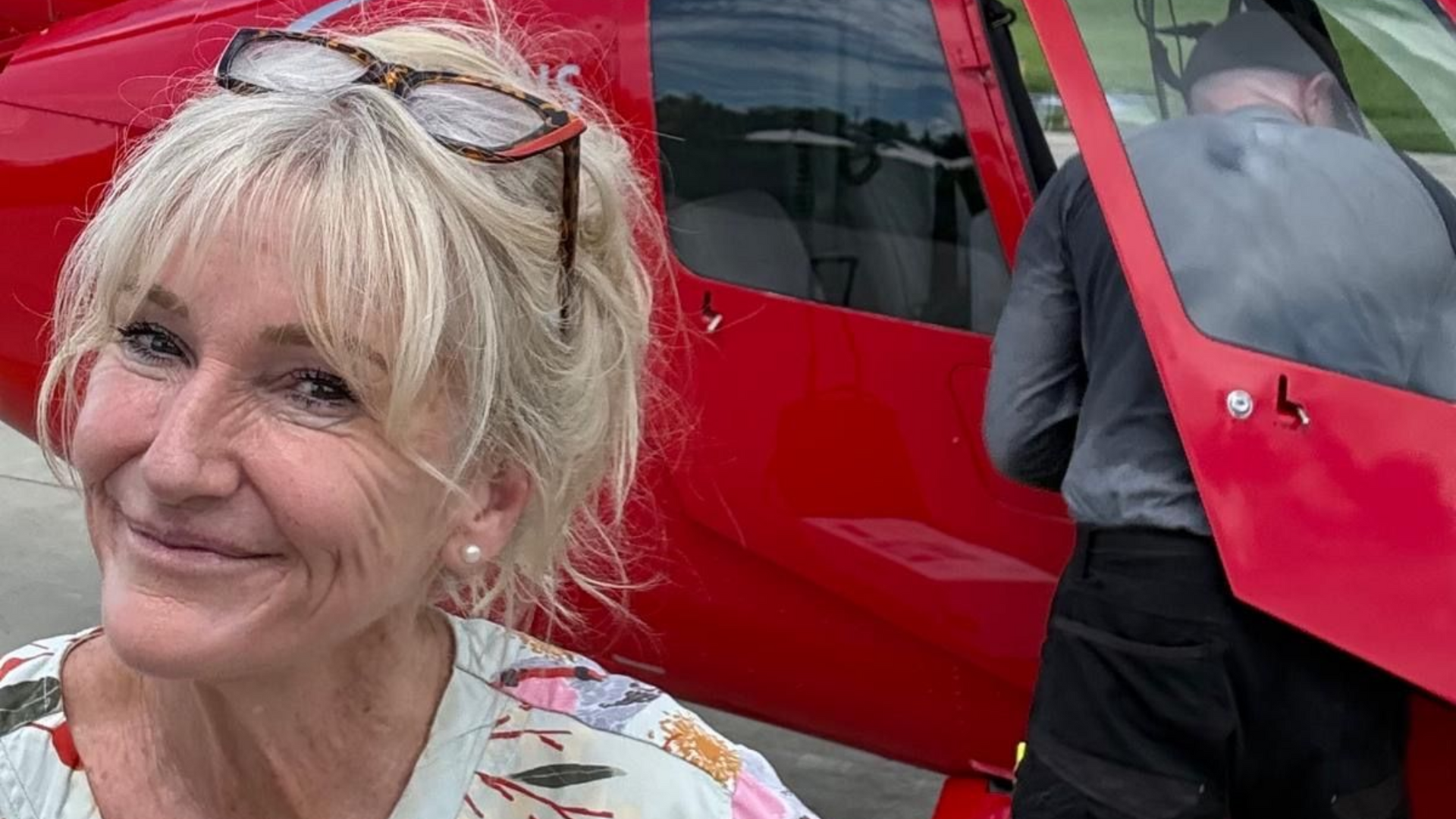
Discover what an agency nursing career has taught Sally Lewis about resilience, flexibility and connection while working across Australia.
LATEST JOBS
Spanning across a range of professions, from nursing and aged care to doctor specialisations like anaesthesiology and emergency medicine, our medical and healthcare recruitment specialists are here to help you find the ideal role to advance your career.